
Mount Kilimanjaro
An iconic peak that beckons adventurers from around the globe, offering a challenging ascent and breathtaking views from Africa’s highest summit.
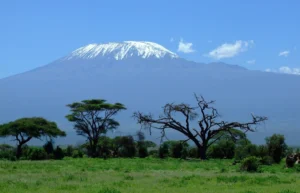
Mount Kilimanjaro, standing at 19,341 feet, is Africa’s highest peak and a breathtaking travel destination that attracts adventurers and nature lovers from around the globe. This iconic dormant volcano, located in Tanzania, offers a unique opportunity to experience diverse ecosystems, ranging from lush rainforests to alpine deserts, all within a single trek.
Climbing Kilimanjaro is often described as a journey through four distinct climate zones, allowing trekkers to witness a stunning variety of flora and fauna. The adventure culminates at Uhuru Peak, where climbers are rewarded with panoramic views that stretch across the African landscape. Whether you’re an experienced mountaineer or a first-time hiker, Kilimanjaro provides a challenging yet achievable ascent, making it a bucket-list destination for many.
Beyond the climb, the surrounding Kilimanjaro National Park is rich in wildlife and offers opportunities for cultural experiences with local communities. With its majestic beauty and the thrill of adventure, Mount Kilimanjaro is truly a must-visit for anyone seeking to explore the wonders of East Africa.
Overview of Mount Kilimanjaro
Location: Mount Kilimanjaro is situated in northeastern Tanzania, near the Kenyan border, and is part of Kilimanjaro National Park.
Height: It is the tallest mountain in Africa, reaching an elevation of 5,895 meters (19,341 feet) above sea level, making it the highest free-standing mountain in the world.
Volcanic Structure: The mountain consists of three volcanic cones: Kibo, Mawenzi, and Shira. Kibo is the highest and is currently dormant, while Mawenzi and Shira are extinct.
Climbing Routes
Diverse Routes: There are several established routes for climbing Kilimanjaro, each offering unique experiences and challenges. The most popular routes include:
Marangu Route: Known as the “Coca-Cola” route, it is the only route with hut accommodations and is considered one of the easier paths.
Machame Route: Often referred to as the “Whiskey” route, it is longer and provides better acclimatization opportunities.
Lemosho Route: This route is favored for its scenic beauty and higher success rates for reaching the summit.
Umbwe Route: Known for its difficulty, it is recommended for experienced climbers due to its steep ascent and shorter acclimatization time.
Best Time to Climb
Optimal Seasons: The best times to climb Mount Kilimanjaro are during the dry seasons, which typically run from June to October and from late December to early March. Climbing during the wet seasons (November and March-April) is discouraged due to slippery trails and adverse weather conditions.
Wildlife and Ecosystems
Biodiversity: Kilimanjaro National Park is home to a variety of wildlife, including elephants, buffalo, and various primate species such as black and white colobus monkeys. The park features five distinct ecological zones, ranging from cultivated land to alpine desert, each with its unique flora and fauna.
Flora: The mountain’s diverse ecosystems support a range of plant species, including giant lobelias and groundsel, particularly in the moorland zone.
Cultural Significance
Local Communities: The indigenous Chagga people inhabit the lower slopes of Kilimanjaro and have a rich cultural heritage. Visitors can engage with local communities, learn about their traditions, and experience their way of life.
Historical Context: Mount Kilimanjaro has a long history of exploration and has been a significant landmark for traders and explorers for centuries. It was first summited in 1889 by Hans Meyer and Ludwig Purtscheller.
Preparation for Climbing
Physical Fitness: Climbing Kilimanjaro requires good physical fitness and preparation. It is advisable to engage in training and conditioning exercises prior to the trek.
Essential Gear: Proper gear is crucial for a successful climb. Essential items include waterproof clothing, sturdy hiking boots, warm layers, and a good quality sleeping bag for camping.
Conclusion
Mount Kilimanjaro is not just a mountain; it is an adventure that offers breathtaking views, diverse ecosystems, and a chance to connect with nature and local cultures. Whether you are seeking a physical challenge or a unique travel experience, Kilimanjaro stands as a testament to the beauty and diversity of Africa.
What is included in this tour?
Items that are included in the cost of the tour price.
- All nights’ accommodation,
- Private Safari Guide,
- Private Land Cruiser 4 x 4
- All Park Fees,
- All Government Tax,
- Unlimited Drinking Water,
- Medical Kit & some soft drinks in the Safari jeep
- Domestic and International Flights
- Tanzania Visa Entry Fees
- Tips and Gratuities
- Personal expenses such as souvenirs, laundry, beverages, alcoholic and soft drinks
- Travel insurance
Book This Destinations
Experience Nature’s Masterpiece
Join us on a luxury safari that immerses you in the heart of Africa’s most stunning landscapes and vibrant wildlife.
With Northman Luxury Safaris, every journey is a story waiting to be told, filled with laughter, beauty, and connection.